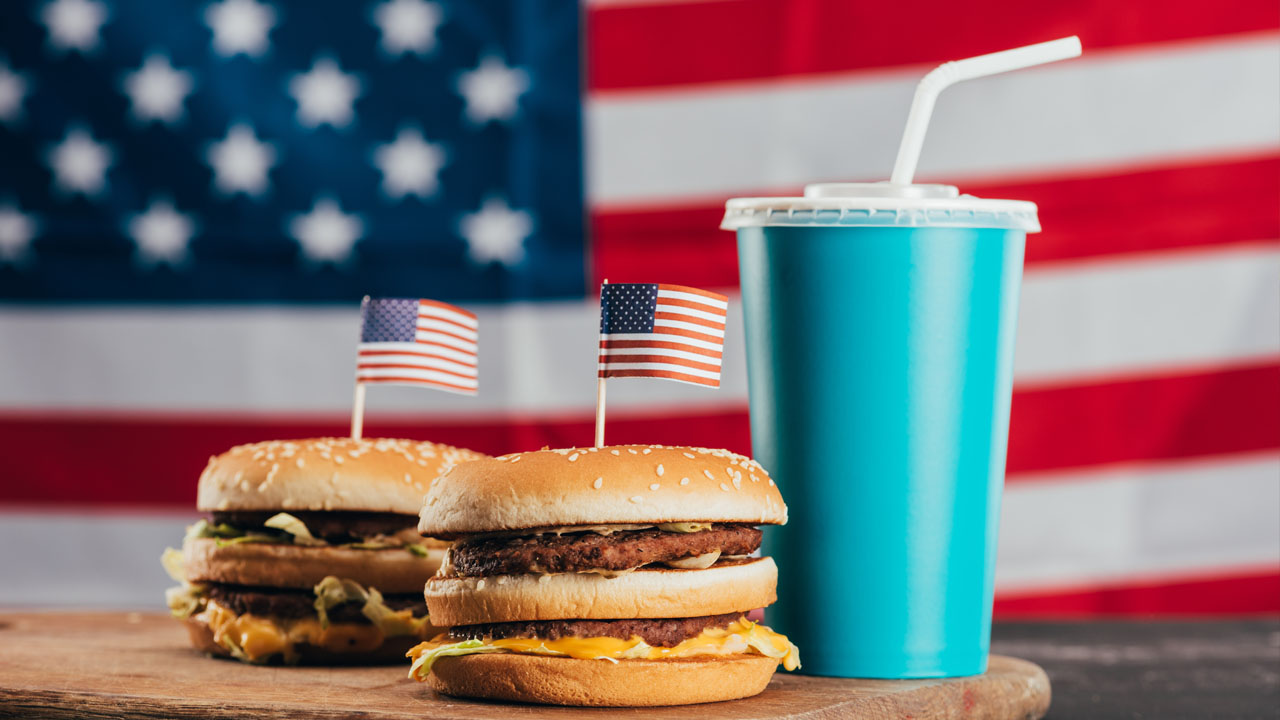
The United States and China are competing to sell hamburgers: the American dream vs. the Chinese dream. Two different forms of soft power.
The world is still suffering the hangover from the fall of the Berlin Wall and the nightmare of the collapse of the Twin Towers. It is clearly in search of a new world order that guarantees stability. Today, there are too many loose ends to ensure it in the long term. Selling hamburgers is not enough.
In the 1990s, it was naively believed that establishing trade relations would naturally lead countries with economic systems different from Western ones—especially Russia and China—to adopt the free-market system and Western democratic values that they had rejected throughout the twentieth century. The optimism of the Clinton era spread across the globe without the slightest skepticism, and he himself said “Trade is the smart thing” to suggest that worshipping the god of commerce would be enough to convert those infidels. “If they buy our products, they will buy our ideas” seemed to be the slogan.
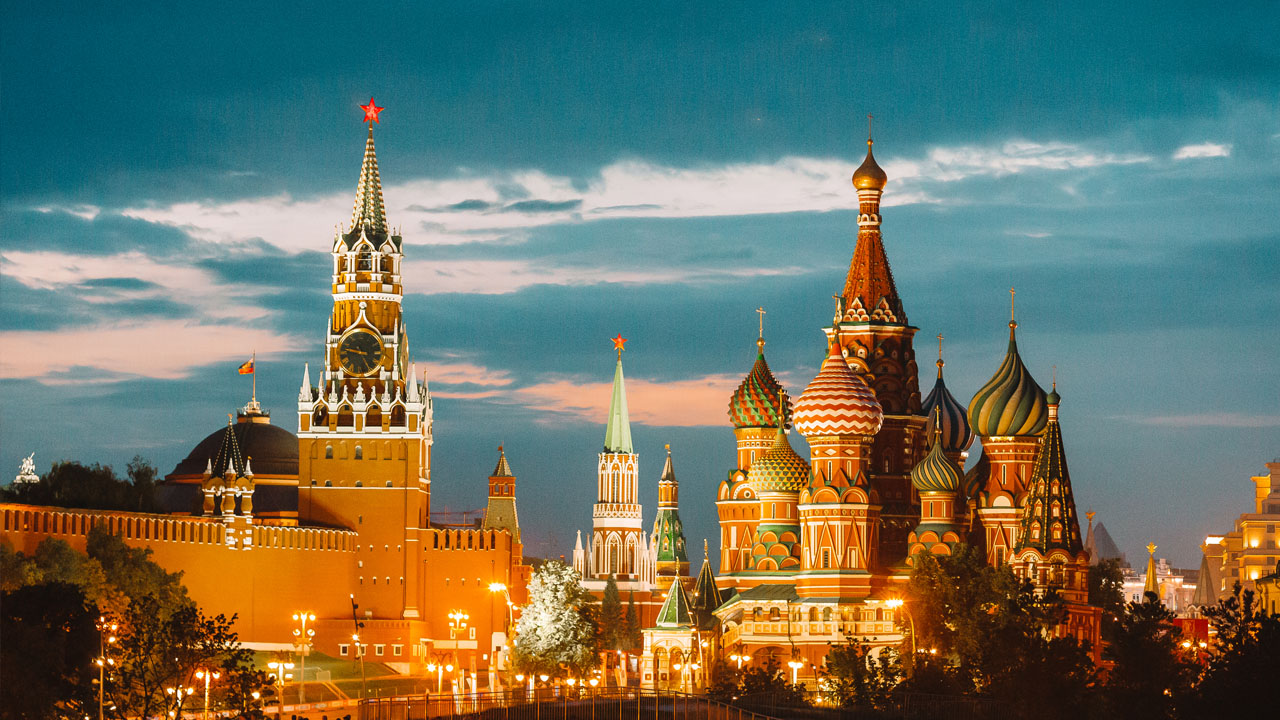
China and Russia
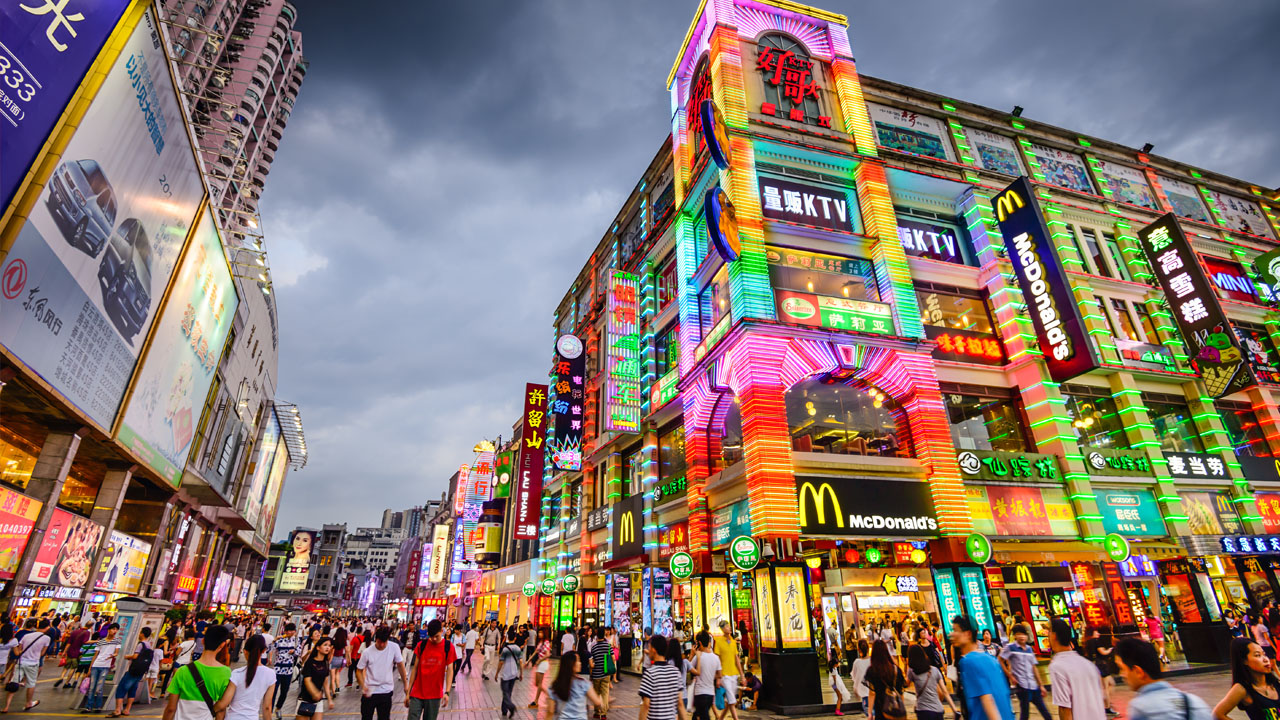
In this context, and with great anticipation, the first McDonald’s opened in Moscow in 1990, in the symbolic Pushkin Square. Russians stood in long lines to be the first to taste the manna, reaching nearly 30,000 diners. The same lines and excitement took place in Beijing two years later. The location was equally symbolic: the corner of the great Chang’an Avenue, very close to the imposing Tiananmen Square. This time there were 40,000 diners. Optimism grew even more.
Since its establishment in China, the Big Mac experienced a golden age that gradually faded. In 2017, the company that controlled all McDonald’s restaurants in mainland China and Hong Kong changed its name from Maidanglao S.A. to Golden Arches S.A., although it retained the name Maidanglao for its establishments. After this change, McDonald’s Global holds only 20 percent of the shares of the new company, while the Chinese group CITIC holds 52 percent. In any case, McDonald’s is currently promoting Chinese food, as the hamburger chain has become more of a kind of elderly dining hall, frequented by older people who prefer traditional Chinese food over American hamburgers, which they do not quite understand, no matter how much cultural revolution they have experienced.
Hamburger University
The ever-sharp observer of reality, Thomas Friedman, wrote in 1996 that he had visited McDonald’s Hamburger University, located at the company’s headquarters in Chicago, to test his theory that no two countries with McDonald’s ever go to war. At the time, the idea that the world was flat and the same everywhere was spreading. And nothing is more identical to itself than a Big Mac. It tastes the same everywhere. But a hamburger is one thing, and other things are not all the same.
If at first there was the illusion that eating a hamburger was like consuming the American dream, that illusion eventually broke. People would transport themselves to their own world in New York, or wherever, and savor America bite by bite, even if they were eating it in Beijing. This breakdown was mainly caused by two reasons.
The first is that in the 1990s the United States lacked a counterweight in the world. The Soviet Union had disintegrated and China was only just beginning to take off. Those years of euphoria and economic prosperity generated a blindness that prevented people from seeing both the rise of Islamic terrorism and the culmination of its major act, the attack on the Twin Towers.
The second is that, after that attack, the United States reacted by prioritizing security above all else, undermining both the guarantees of individual rights—of which it had always been the main defender—and its credibility in international institutions, which it used to support. Without American backing, those institutions have bent like metal under pressure, leading to the situation they are in today.
American Dream vs. Chinese Dream
When the United States sold its American dream, it was clearly selling its products. The erosion of that dream has also meant the erosion of those products. It remains to be seen whether it can rebuild its dream. It remains to be seen whether we can rebuild international institutions. For now, the world is not a hamburger, and another dream is striving to become reality: the Chinese dream, marked by a paradox. So far, it sells its products but does not sell its dream.
____________________________________________
Originally published in the Ecuadorian newspaper El Comercio.