

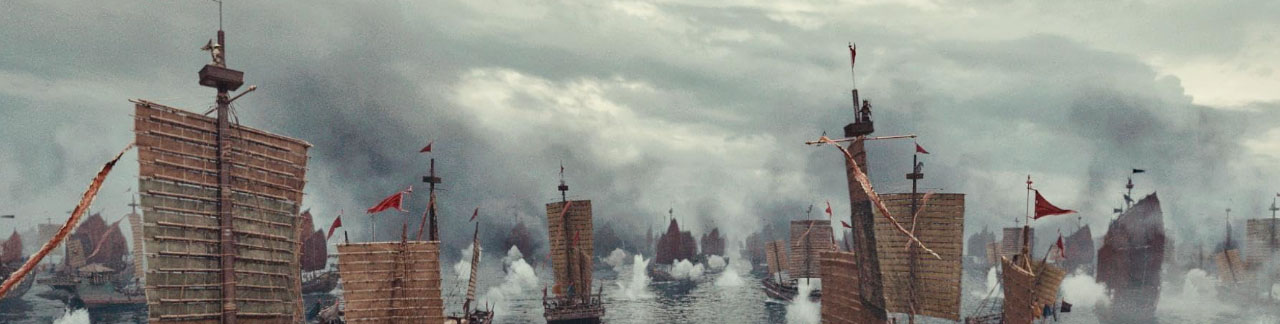
Nolan’s is not the only Odyssey. The Naval Battle of Penghu (about Taiwan) is China’s unreleased Odyssey.
The Chinese Odyssey is not the Greek Odyssey, even though Christopher Nolan’s film opened in China last Friday to great success. Both odysseys are about a return: to Ithaca for Odysseus, to China for Taiwan.
The numbers speak for Nolan’s Odyssey. Advance ticket sales for the first day alone reached $4.5 million, with the film ultimately grossing $10 million. This merely confirms its international box-office success. In the short four weeks since its release this July, it has already crossed the legendary $1 billion mark—and is still climbing.
The critics have also had their say. The Odyssey has scored 8.3 on Douban, China’s leading film-rating platform. Social media has been no less enthusiastic: on Weibo, China’s equivalent of X, it has been described as “a heavenly feast for the eyes.” Ignacio Vidal-Folch takes a very different view, quite literally tearing the film to shreds and describing it as every bit as monumental and bland as photographer Spencer Tunick’s performances involving crowds of naked people.
Fertile Ground
Long before the film was released, as early as February 2026, the expression “Odyssey Years” (Àodésài suìyuè, 奥德赛岁月) was already circulating on Chinese social media, adopted by young people to describe their current predicament. The expression originally comes from New York Times columnist David Brooks’s 2007 article “Odyssey Years”.
Until quite recently, China’s labour market had little difficulty absorbing the 10 million university graduates entering it every year. They found jobs quickly and salaries were high. Those boom years are over. In 2023, youth unemployment reached 21%, prompting the Chinese government to temporarily suspend publication of the figures.
It is hardly surprising, then, that the expression “Odyssey Years” has caught on among young Chinese, while also preparing fertile ground for the film’s success. The government, however, is not amused. Neither by the figures nor by the expression.
The Other Odyssey
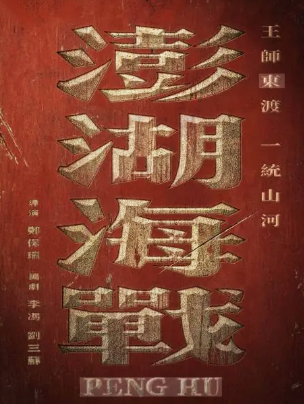
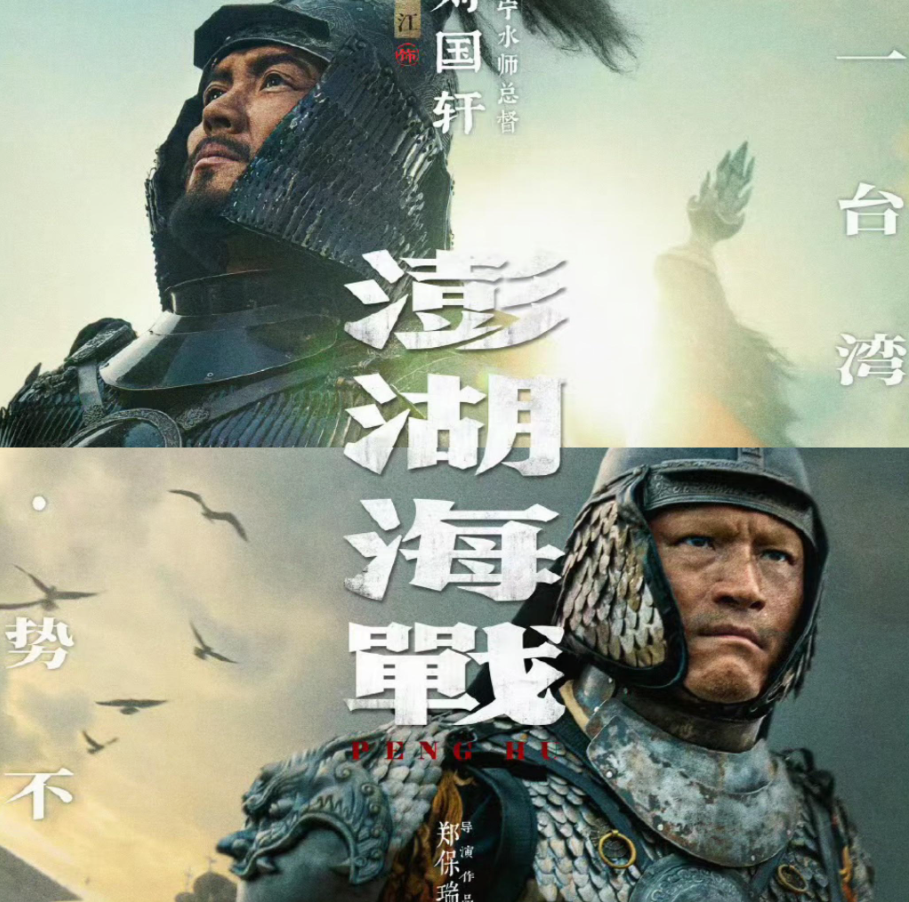
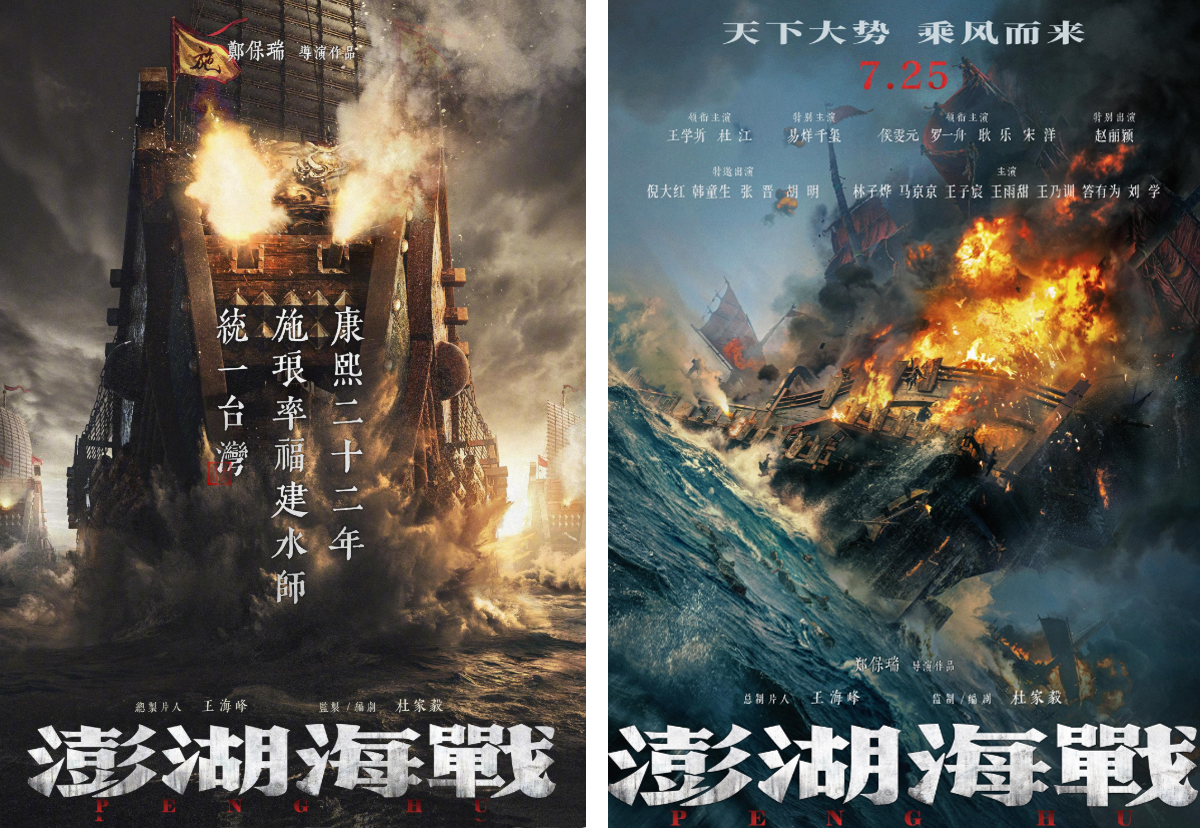
The Chinese government is no happier about the other film, The Naval Battle of Penghu, which was due to be released this July: a $70 million blockbuster about the Qing conquest of Taiwan in 1683. Yet the film vanished from release schedules without explanation or a new date. Although it received permission to be filmed in 2021, with the inevitable political backing, it has nevertheless failed to obtain the subsequent approval required for theatrical release. It seems Kafka is Chinese too!
The film recreates Admiral Shi Lang’s victory over the forces of the Zheng family, loyal to the defeated Ming dynasty (1368–1644), which enabled the Kangxi Emperor (1661–1722), the most famous of the Qing emperors, to incorporate Taiwan into the empire. The episode fitted perfectly with Beijing’s narrative of China’s historical unity and its sovereignty over the island.
Chinese Ultranationalism
The problem arose among ultranationalist circles, which interpret history rather differently. In their view, the Qing, who were of Manchu origin, conquered the Han majority and destroyed their last dynasty, the Ming. The Zheng, therefore, should be regarded as legitimate resistance fighters, while Shi Lang was a collaborator with the invaders. The film’s trailer alone provoked fierce criticism and even calls for a boycott.
A Devilish Dilemma
The controversy poses a much broader dilemma for Beijing: questioning the legitimacy of the Qing would weaken the historical continuity on which China bases some of its present-day territorial claims. It was precisely under that dynasty that the empire consolidated or expanded its control over Taiwan, Inner Mongolia, Xinjiang and Tibet. Portraying the Manchus as foreign invaders may strengthen Han nationalism, but only at the cost of undermining the territorial narrative of the modern Chinese state.
One thing is clear: every national claim is a contentious tangle of contradictions—here, there and even in Cochinchina.
Originally published in the Ecuadorian newspaper El Comercio.
____________________________________________